
How can Islam and democracy be reconciled? How can the United States sponsor emerging Islamic democrats without appeasing radicals and terrorists? Can we responsibly remain allies with stable but repressive Arab regimes, chaotic emerging democracies, and Israel as well? After Ji…
"74" Result
Sort By:


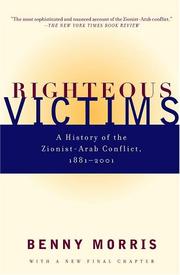
"Tracing the roots of political Zionism back to the pogroms of Russia and the Dreyfus Affair, Morris describes the gradual influx of Jewish settlers into Palestine and the impact they had on the Arab population. Following the Holocaust, the first Arab-Israeli war of 1948 resulte…


The landscape of the Middle East has changed dramatically since 2011, as have the political arena and the discourse around democracy. InIslam and Democracy after the Arab Spring, John L. Esposito, John Voll, and Tamara Sonn examine the state of democracy in Muslim-majority socie…
Spreken over seks is taboe in de Arabische wereld. De discussie over seksuele rechten en vrijheden wordt er vaak aanzien als een element in de Westerse politieke agenda en leidt bijgevolg tot veel spanningen. Maar het Westen was ook ooit preuts en streng. Historisch onderzoek to…


This text answers readers' questions about the history and current state of the Arab world and addresses all aspects of the uprisings of 2010 to 2011, including their causes, the role of social media, the diverse paths they have taken, the role of the United States and the upris…
Dit mooie, rijk geïllustreerde boek belicht de vaak vergeten bijdragen van moslims aan wetenschap en vooruitgang. In Europa spreekt men vaak van de 'donkere' middeleeuwen, maar tijdens die periode beleefde de wetenschap in de Arabische wereld een grote bloei. In zeven thematisch…

Rethinking nationalism in the Arab Middle East
0
Type: Book


Tribes and global jihadism
0
Type: Book
Across the Muslim world, from Iraq and Yemen, to Egypt and the Sahel, new alliances have been forged between the latest wave of violent Islamist groups -- including Islamic State and Boko Haram -- and local tribes. But can one now speak of a direct link between tribalism and jih…
